Tamaine (Tee) Needs a Kidney and Pancreas Transplant
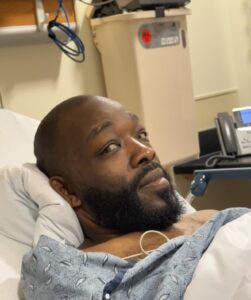
Tamaine, known as “Tee,” is more than a patient—he’s a devoted husband, a loving dad of six, a proud papa, a son, nephew, uncle, friend, and former coach—someone who has always shown up for others. Tee is also a business owner and a mentor, a man of faith, and a courageous fighter who refuses to give up!
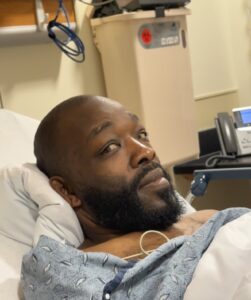
Today, Tee is fighting for his life while undergoing dialysis every night—a demanding and exhausting treatment that takes a serious toll on his mental health, his physical body, and his daily life. What many don’t see are the long hours hooked up to his dialysis machine, the overwhelming fatigue, the morning sickness, and the constant need for medication just to keep his body stable, along with the many limitations that come with simply trying to survive.
After years of battling hereditary, progressive Polycystic Kidney Disease (PKD)and Diabetes, his condition has reached a critical point. Now, he urgently needs a transplant. He’s looking for a living kidney and pancreas donor—not just to survive, but to truly live again.
Tamaine continues to battle end stage kidney failure –Tee needs your help.
Tamaine is a family man – charismatic, full of life and humor, he lives each day to the fullest.
Tamaine & Adriana
Living for ME!
Aj, Zaza & Hunter
Bulls Game
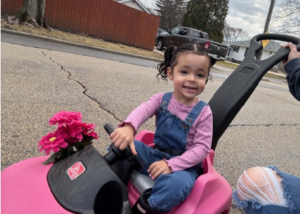
Papa’s First Grandchild
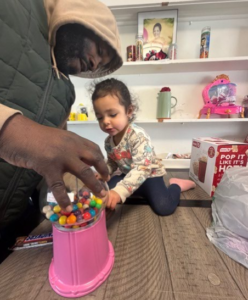
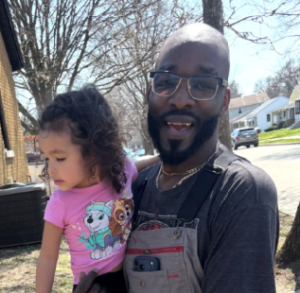
Papa & Zaza
Taylor & Ryleigh
Wrigley Field
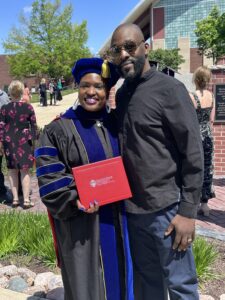
Graduation
Surprise Proposal
Papa’s First Grandchild
Family
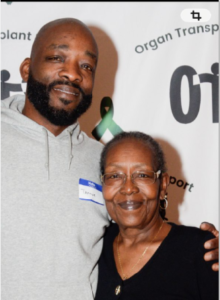
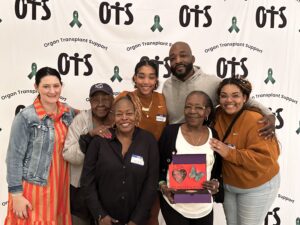
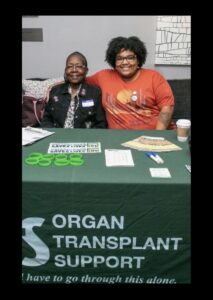
OTS Brunch with Mother
Papa’s First Grandchild
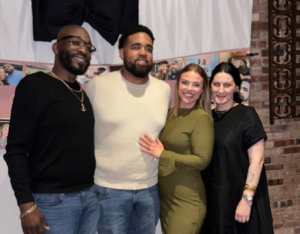
First Daughter-in-Law!
Surprise Proposal
What Tamaine Needs
Tamaine is looking for a Living Donor
Living Donor Criteria:
💙 Age: Donor should be 18 years of age or older.
💙 Relationship to recipient: Donor does not need to be related; they can be friends, co-workers, or even a stranger willing to donate.
💙 Health: Donors must be in excellent physical and mental health, free from conditions that would complicate surgery or recovery, such as uncontrolled high blood pressure, chronic infections or serious heart and liver disease.
💙 Psychological readiness: Donor will undergo psychological evaluation to ensure they are emotionally prepared for the donation process.
💙 Compatibility: Blood and Tissue typing are used to match donors with recipients, though paired donation program can expand compatibility options.
There are several meaningful ways you can make a difference—and even help save Tee’s life.
1. Consider Becoming a Living Donor a. The most direct way to help is by becoming a living kidney donor. b. Contact Loyola Transplant Center, using the link below, to start your testing today! c. You don’t have to be a perfect match to make a difference—paired donation programs can still connect Tee with a life-saving transplant. 👉 Start the donor process today
2. Share His Story a. Most living donors are found through connections. b. By sharing Tee’s story, you help it reach the one person who may be able to save his life. c. Share on Facebook, Instagram, or text d. Send to friends, family, coworkers, and community groups e. Talk about Tee’s story—you never know who might step forward.
3. Spread Awareness a. Even if you’re not able to donate, you can still make a powerful impact by helping raise awareness about living donation. b. Encourage others to learn about organ donation. c. Support organizations like Organ Transplant Support (OTS). d. Help educate your community.
4. Offer Support Support comes in many forms—prayers, text of encouragement, and simply checking in all matter more than you know!
Every Share. Every Conversation. Every Step Matters.You could be the reason Tee gets a second chance at life.
What is a living donor? A living donor is someone who donates an organ (usually a kidney or part of the liver) to a person in need while still alive.
Is living donation safe? Yes, for most people. It’s a major surgery, but donors are carefully screened to minimize risks.
Who can become a living donor? Healthy individuals, typically between ages 18–65, who pass medical and psychological evaluations.
What organs can be donated while living? Kidneys and portions of the liver are the most common. In rare cases, parts of lungs or pancreas may be donated.
Do I need to be related to the recipient? No. Donors can be family, friends, or even altruistic (non-directed) donors.
What is an altruistic donor? Someone who donates an organ to a stranger without knowing the recipient.
What is the recovery time for kidney donation? Typically, 4–6 weeks for most donors to return to normal activities.
Can I live a normal life with one kidney? Yes. Most people live healthy, normal lives with one kidney.
Will donating affect my lifespan? Studies show living donors generally have normal life expectancy.
Living Donor Story
Who pays for the donor’s medical expenses? The recipient’s insurance typically covers evaluation, surgery, and immediate aftercare.
Will I have out-of-pocket costs? You may have costs like travel, lodging, or lost wages—some programs help cover these.
Can I choose who receives my organ? Yes, in directed donation. In non-directed donation, the transplant system matches you.
What is paired kidney exchange? If you’re incompatible with your intended recipient, you can swap with another donor-recipient pair.
Is there support during the process? Yes, transplant centers provide coordinators, social workers, and counseling.
How long does the process take? Anywhere from a few weeks to several months depending on evaluations and matching.
What tests are required? Blood tests, imaging, physical exams, and psychological evaluations.
Can I change my mind? Yes. You can withdraw at any time, for any reason.
Will my employer know? Only if you choose to tell them. Medical information is confidential.
What is the success rate of living donor transplants? Higher than deceased donor transplants, with better long-term outcomes.
Living Donation Risks
Can I donate if I have a medical condition? It depends. Conditions like diabetes or uncontrolled hypertension may disqualify you.
What is the surgery like? Most kidney donations are done laparoscopically (minimally invasive).
Will I have a scar? Yes, but typically small if done laparoscopically.
Can I have children after donating? Yes, most donors can safely have children after recovery.
How many people are waiting for transplants? Thousands are on waiting lists, especially for kidneys.
Does donating affect insurance? It shouldn’t, but it’s wise to check with your provider.
What motivates people to donate? Helping a loved one, saving a life, or giving back to the community.
What is the emotional impact of donating? Most donors report positive feelings, but emotional support is important.
Can I meet the recipient? Sometimes, depending on both parties’ consent and transplant center policies.
How do I start the process? Contact a transplant center or organization like Organ Transplant Support to begin evaluation.
Donation Myths
Go Cubs!
OTS Brunch with Aunt
OTS Brunch with Mother
Tamaine & Natalie
Graduation
First Daughter-in-Law!
OTS Brunch with Aunt
Ice Cream
Bon Apitite
Always watching sports
OTS Brunch with Aunt
Papa, Zaza & Mimi
OTS Brunch with Aunt
Screenshot
OTS Brunch with Aunt
Screenshot
Help save our dad – husband – son – cousin – friend & papa!